Product information
€32.34
Stock: In Stock Online
Our USPs

- Free DeliveryExtended Range: Delivery 3-4 working days

- Dubray RewardsEarn 129 Reward Points on this title
Washington At the Plow
Product information
Author:
Type: Hardback
ISBN: 9780674246386
Date: 12th November, 2021
Publisher: The Belknap Press of Harvard University Press
Description
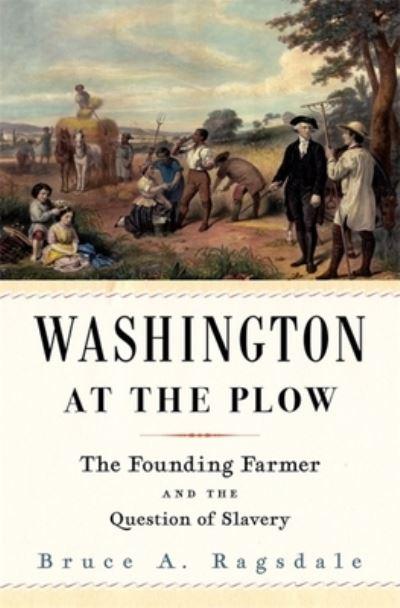
Winner of the George Washington Prize A fresh, original look at George Washington as an innovative land manager whose singular passion for farming would unexpectedly lead him to reject slavery. George Washington spent more of his working life farming than he did at war or in political office. For over forty years, he devoted himself to the improvement of agriculture, which he saw as the means by which the American people would attain the "respectability & importance which we ought to hold in the world." Washington at the Plow depicts the "first farmer of America" as a leading practitioner of the New Husbandry, a transatlantic movement that spearheaded advancements in crop rotation. A tireless experimentalist, Washington pulled up his tobacco and switched to wheat production, leading the way for the rest of the country. He filled his library with the latest agricultural treatises and pioneered land-management techniques that he hoped would guide small farmers, strengthen agrarian society, and ensure the prosperity of the nation. Slavery was a key part of Washington's pursuits. He saw enslaved field workers and artisans as means of agricultural development and tried repeatedly to adapt slave labor to new kinds of farming. To this end, he devised an original and exacting system of slave supervision. But Washington eventually found that forced labor could not achieve the productivity he desired. His inability to reconcile ideals of scientific farming and rural order with race-based slavery led him to reconsider the traditional foundations of the Virginia plantation. As Bruce Ragsdale shows, it was the inefficacy of chattel slavery, as much as moral revulsion at the practice, that informed Washington's famous decision to free his slaves after his death.