Product information
€17.39
Stock: In Stock Online
Our USPs

- Free DeliveryExtended Range: Delivery 3-4 working days

- Dubray RewardsEarn 70 Reward Points on this title
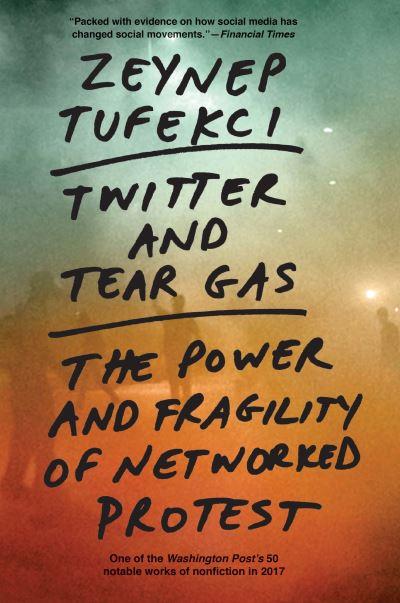
Twitter and Tear Gas
Product information
Author:
Type: Paperback
ISBN: 9780300234176
Date: 1st June, 2018
Publisher: Yale University Press
Categories
- Computer Science
Description
From New York Times opinion columnist Zeynep Tufekci, an firsthand account and incisive analysis of the role of social media in modern protest "[Tufekci's] personal experience in the squares and streets, melded with her scholarly insights on technology and communication platforms, makes [this] such an unusual and illuminating work."-Carlos Lozada, Washington Post "Twitter and Tear Gas is packed with evidence on how social media has changed social movements, based on rigorous research and placed in historical context."-Hannah Kuchler, Financial Times To understand a thwarted Turkish coup, an anti-Wall Street encampment, and a packed Tahrir Square, we must first comprehend the power and the weaknesses of using new technologies to mobilize large numbers of people. An incisive observer, writer, and participant in today's social movements, Zeynep Tufekci explains in this accessible and compelling book the nuanced trajectories of modern protests-how they form, how they operate differently from past protests, and why they have difficulty persisting in their long-term quests for change. Tufekci speaks from direct experience, combining on-the-ground interviews with insightful analysis. She describes how the internet helped the Zapatista uprisings in Mexico, the necessity of remote Twitter users to organize medical supplies during Arab Spring, the refusal to use bullhorns in the Occupy Movement that started in New York, and the empowering effect of tear gas in Istanbul's Gezi Park. These details from life inside social movements complete a moving investigation of authority, technology, and culture-and offer essential insights into the future of governance.