Product information
€97.15
Stock: In Stock Online
Our USPs

- Free DeliveryExtended Range: Delivery 3-4 working days

- Dubray RewardsEarn 389 Reward Points on this title
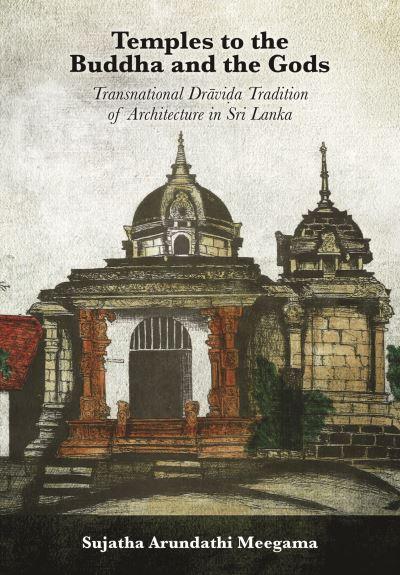
Temples To the Buddha and the Gods
Product information
Author:
Type: Hardback
ISBN: 9780824894955
Date: 30th September, 2024
Publisher: University of Hawai'i Press
Categories
- Religious Buildings
- Asian
- Hinduism
Description
Temples to the Buddha and the Gods analyzes the patronage of diverse image houses built in the transnational Dra¯viḍa tradition of architecture in Sri Lanka-an architectural tradition that has been adopted across the Indian Ocean, from the premodern to the contemporary. Although the Dra¯viḍa tradition is generally associated with Hindu temple architecture, in Sri Lanka it was deployed to build temples to the Buddha as well as to Hindu and Buddhist deities. Framed along ethno-religious binaries, it is seen as "foreign" or "provincial" in previous studies of Sri Lanka's art histories. In contrast, this book argues that temples constructed in the Dra¯viḍa architectural tradition in the medieval and the early modern periods in Sri Lanka should be understood as part of the larger transnational architectural tradition. Sujatha Arundathi Meegama brings together different types of image houses built by various patrons (e.g., monarchs, monks, ministers, and merchants) that were previously considered in isolation and rarely included in the Sri Lankan art historical canon. Examining a range of evidence-architecture, inscriptions, and poetry-and synthesizing disparate scholarship on the religious cultures and the art histories of Sri Lanka, the author illustrates that there was a strong presence of shared architectural traditions, shared patterns of patronage, and shared religious practices among the diverse communities on this island. Generally, scholarship on South Asian architecture focuses on the role of rulers and other secular or religious elites as agents of religious architecture; in addition to these actors, this study highlights the roles of architects who specialized in the Dra¯viḍa tradition and those who experimented with it in stone, brick, and timber in different time periods. Revealing the centrality of this architectural tradition, Temples to the Buddha and the Gods offers a new perspective that contextualizes the cultural tradition of Sri Lanka and its place in the interconnected world of Indian Ocean.