Product information
€29.99
Stock: In Stock Online
Our USPs

- Free DeliveryExtended Range: Delivery 3-4 working days

- Dubray RewardsEarn 120 Reward Points on this title
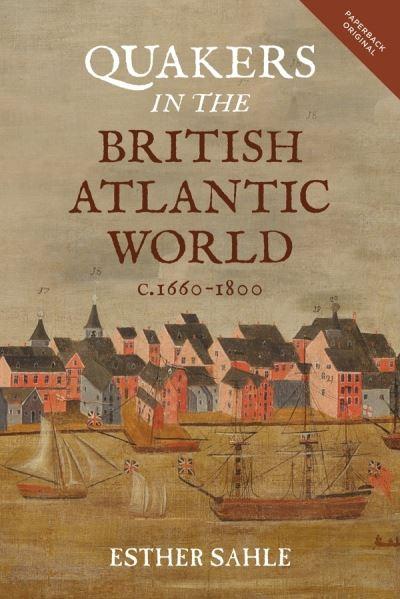
Quakers in the British Atlantic World, C.1660-1800
Product information
Author:
Type: Paperback
ISBN: 9781783275861
Date: 21st May, 2021
Publisher: The Boydell Press
Categories
- General And World History
Description
Examines the two largest Quaker communities in the early modern British Atlantic World, and scrutinizes the role of Quaker merchants and the business ethics they followed.
The book studies the two largest Quaker communities in the early modern British Atlantic World, London and Philadelphia. It looks at the origins of the Society of Friends in mid seventeenth century England and follows its development into a well organised sect with a sophisticated organisational structure spreading across the Atlantic world. The book zooms in on the Quaker communities in these two important port cities, as well as their relationships with non-Quaker inhabitants. It scrutinizes the role of Quaker merchants and the business ethics they followed.
Drawing on many unpublished sources, the study is able to portray a mid-eighteenth-century crisis for the Quaker communities when sanctions for offences against the prevailing disciplines in business (fraud, debt, bankruptcy) and marriage increased dramatically. And yet these Quaker communities got likewise caught up in wider political developments across the British Empire. In the course of a series of conflicts affecting colonial Pennsylvania in the mid eighteenth century, the Society of Friends suffered grave reputational damage. The public in England and Pennsylvania began to perceive Quakers as a sect that put its own agenda and interest over the welfare of the colonial population and the Empire. In turn, these developments led to a "Quaker reformation" and Quaker identity became guided by new principles: honesty in business and religious marital endogamy. The book will be of interest to scholars and students of economic and Atlantic history, as well as Eighteenth-Century studies and religious history.