Product information
€24.00
Stock: In Stock Online
Our USPs

- Free DeliveryExtended Range: Delivery 3-4 working days

- Dubray RewardsEarn 96 Reward Points on this title
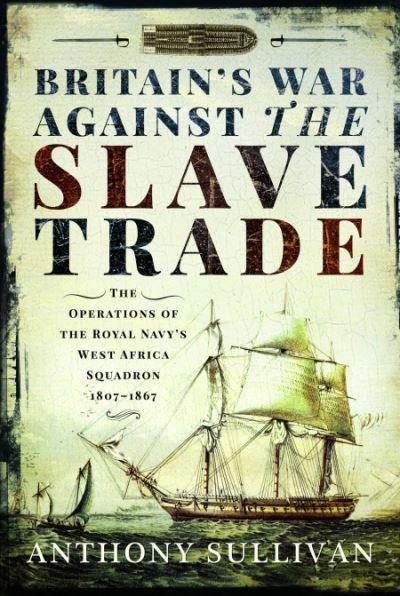
Britain's War Against the Slave Trade
Product information
Author:
Type: Paperback
ISBN: 9781399000017
Date: 30th May, 2023
Publisher: Frontline Books
Categories
- Naval Forces
- Slavery
Description
Long before recorded history, men, women and children had been seized by conquering tribes and nations to be employed or traded as slaves. Greeks, Romans, Vikings and Arabs were among the earliest of many peoples involved in the slave trade, and across Africa the buying and selling of slaves was widespread. There was, at the time, nothing unusual in Britain's somewhat belated entry into the slave trade, transporting natives from Africa's west coast to the plantations of the New World. What was unusual was Britain's decision, in 1807, to ban the slave trade throughout the British Empire. Britain later persuaded other countries to follow suit, but this did not stop this lucrative business. So the Royal Navy went to war against the slavers, in due course establishing the West Africa Squadron which was based at Freetown in Sierra Leone. This force grew throughout the nineteenth century until a sixth of the Royal Navy's ships and marines was employed in the battle against the slave trade. Between 1808 and 1860, the West Africa Squadron captured 1,600 slave ships and freed 150,000 Africans. The slavers tried every tactic to evade the Royal Navy enforcers. Over the years that followed more than 1,500 naval personnel died of disease or were killed in action, in what was difficult and dangerous, and at times saddening, work. In Britain's War Against the Slave Trade, naval historian Anthony Sullivan reveals the story behind this little-known campaign by Britain to end the slave trade. Whereas Britain is usually, and justifiably, condemned for its earlier involvement in the slave trade, the truth is that in time the Royal Navy undertook a major and expensive operation to end what was, and is, an evil business.