Product information
€58.00
Stock: In Stock Online
Our USPs

- Free DeliveryExtended Range: Delivery 3-4 working days

- Dubray RewardsEarn 232 Reward Points on this title
Architecture and Geometry in the Age of the Baroque
Product information
Author:
Type: Paperback
ISBN: 9780226327846
Date: 14th February, 2003
Publisher: The University of Chicago Press
Description
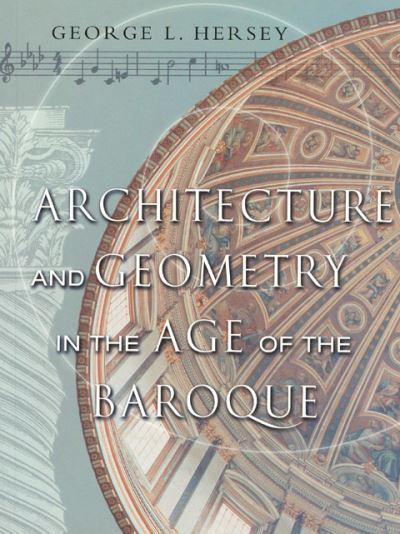
The age of the Baroque-a time when great strides were made in science and mathematics-witnessed the construction of some of the world's most magnificent buildings. What did the work of great architects such as Bernini, Blondel, Guarini, and Wren have to do with Descartes, Galileo, Kepler, Desargues, and Newton? Here, George Hersey explores the ways in which Baroque architecture, with its dramatic shapes and playful experimentation with classical forms, reflects the scientific thinking of the time. He introduces us to a concept of geometry that encompassed much more than the science we know today, one that included geometrics (number and shape games), as well as the art of geomancy, or magic and prophecy using shapes and numbers. Hersey first concentrates on specific problems in geometry and architectural design. He then explores the affinities between musical chords and several types of architectural form. He turns to advances in optics, such as artificial lenses and magic lanterns, to show how architects incorporated light, a heavenly emanation, into their impressive domes. With ample illustrations and lucid, witty language, Hersey shows how abstract ideas were transformed into visual, tactile form-the epicycles of the cosmos, the sexual mystique surrounding the cube, and the imperfections of heavenly bodies. Some two centuries later, he finds that the geometric principles of the Baroque resonate, often unexpectedly, in the work of architects such as Frank Lloyd Wright and Le Corbusier. A discussion of these surprising links to the past rounds out this brilliant reexamination of some of the long-forgotten beliefs and practices that helped produce some of Europe's greatest masterpieces.