Product information
€32.99
Stock: In Stock Online
Our USPs

- Free DeliveryExtended Range: Delivery 3-4 working days

- Dubray RewardsEarn 132 Reward Points on this title
A History of Plague in Java, 1911-1942
Product information
Author:
Type: Paperback
ISBN: 9781501766831
Date: 15th December, 2022
Publisher: Southeast Asia Program Publications
Categories
- Architecture
- History of Architecture
- Asian
Description
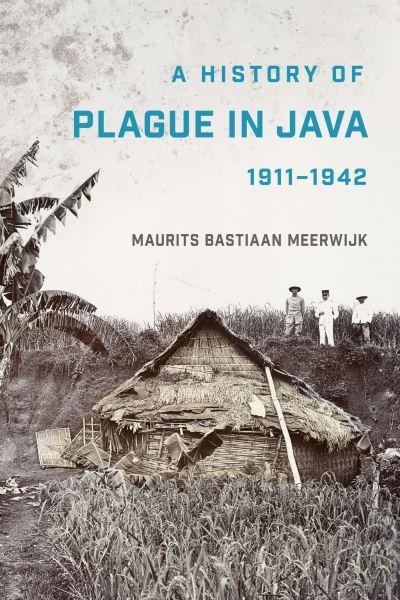
In A History of Plague in Java, 1911-1942, Maurits Bastiaan Meerwijk demonstrates how the official response to the 1911 outbreak of plague in Malang led to one of the most invasive health interventions in Dutch colonial Indonesia. Eager to combat disease, Dutch physicians and officials integrated the traditional Javanese house into the "rat-flea-man" theory of transmission. Hollow bamboo frames and thatched roofs offered hiding spaces for rats, suggesting a material link between rat plague and human plague. Over the next thirty years, 1.6 million houses were renovated or rebuilt, millions more were subjected to periodic inspection, and countless Javanese were exposed to health messaging seeking to "rat-proof" their beliefs along with their houses. The transformation of houses, villages, and people was documented in hundreds of photographs and broadcast to overseas audiences as evidence of the "ethical" nature of colonial rule, proving so effective as propaganda that the rebuilding continued even as better alternatives, such as inoculation, became available. By systematically reshaping the built environment, the Dutch plague response dramatically expanded colonial oversight and influence in rural Java.